
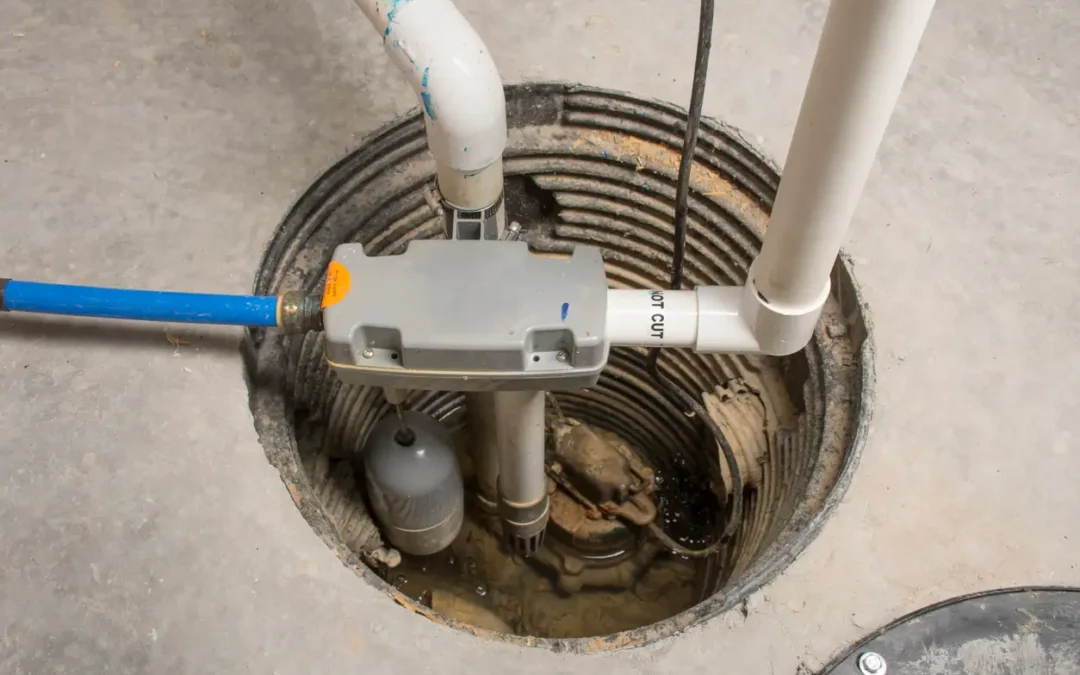
When a home in Houston sits through several days of steady rain, the soil around the foundation becomes saturated, and groundwater pressure begins to build. For many homeowners, the sump pump tucked away in the basement or crawlspace is the only thing preventing that excess water from seeping indoors. It’s an unassuming piece of equipment, but its role is far from minor. A sump pump works quietly in the background—until the day it doesn’t. And when failure happens, the damage is often immediate and costly.
Because the system plays such an important role in keeping a home dry, the way it’s installed matters just as much as the pump itself. Professional sump pump installation is not just an upgrade over DIY—it’s a fundamental safeguard for the long-term performance of the entire drainage system. The real value lies in the technical decisions made during installation, the accuracy of the setup, and the experience behind each adjustment.
How Proper Installation Protects the Home Long-Term
A sump pump is not a plug-and-play appliance. It requires a pit sized correctly for the home’s drainage needs, a discharge line placed with the right slope, and components adjusted to ensure the motor only runs when necessary. If the pump activates too early, it wears itself out prematurely. If it activates too late, water can rise beyond safe levels.
Professionals evaluate details that homeowners often overlook—soil composition, the home’s foundation layout, and how quickly water tends to enter the basin. In areas of Houston where clay-heavy soil expands and contracts, installers take additional steps to ensure the pit is stable and the discharge path sends water far enough away from the house.
Even small inaccuracies matter. A pit dug a few inches too shallow or a discharge pipe positioned without proper support can reduce pump efficiency. Homeowners trying to save money through DIY installation may unintentionally install components that restrict water flow or allow backflow toward the foundation. Over time, these small issues stack up, creating bigger risks.
Why DIY Installation Increases the Odds of Failure
Many homeowners wonder whether they should attempt the project on their own. The comparison between DIY vs professional sump pump installation becomes clearer once you consider the technical requirements. Pump height must match the float’s activation level. The check valve must be installed in the correct direction. The pit must be sealed properly while still allowing controlled water entry. The discharge line must be routed in a way that prevents freezing, clogging, or pressure buildup.
Then there’s the electrical side. A pump should be connected to a grounded outlet and ideally supported by a dedicated circuit. Mistakes here can pose safety hazards, particularly in damp environments.
Most DIY installations do not involve long-term testing, which is a major flaw in the process. Professionals test for proper cycling, backflow issues, and discharge routing problems. They simulate heavy water flow to ensure the system responds correctly. Without this testing, a homeowner may not find out that something was installed incorrectly until a major storm hits.
When Replacement or Repair Becomes Necessary
Even a well-installed sump pump has a lifespan. Screeching noises, the smell of overheating, unusually frequent cycling, or water moving too slowly through the discharge line are all signs that a pump is close to failing. At that point, sump pump replacement and repair becomes essential.
A licensed technician examines the full system, not just the pump itself. That includes the float switch, check valve, pit liner, and the condition of the electrical connections. A licensed sump pump installer can determine whether repairing a component is enough or if the pump should be replaced entirely. They also ensure the new pump is compatible with the existing basin size and water volume demands of the home.
Delaying replacement increases the likelihood of basement flooding, foundation deterioration, and mold growth. Local professionals familiar with Houston’s weather patterns and soil conditions can catch these warning signs early and recommend the right course of action.
Why Professional Installation Offers Stronger Foundation Protection
A properly installed sump pump offers more than basic drainage—it provides true basement protection. Houston’s mix of heavy storms, humid climate, and shifting soil makes it particularly important for sump pumps to be calibrated precisely. Pumps installed by professionals respond more consistently to rapid groundwater changes. They also tie the pump into the home’s drainage system with a strategy tailored to the property, not a generic template.
This becomes especially important for homeowners seeking basement water protection services in Houston because local specialists understand how different neighborhoods deal with runoff and groundwater. Some areas need larger pits or higher-capacity pumps, while others need discharge lines placed strategically to avoid recurring pooling in the yard.
Professionals also recommend backup systems when needed, such as battery-powered pumps that activate during outages—a common occurrence during Houston storms.
Protect Your Home with Expert Installation
Champion Plumbing Services helps homeowners across Houston protect their properties with professional sump pump installation, system replacement, and full diagnostic repairs. Our licensed technicians evaluate drainage needs, select the right equipment, and install each system to perform reliably during heavy rain and high groundwater conditions. If you want dependable protection and a system you can trust during the next storm, contact Champion Plumbing Services today to schedule a consultation and safeguard your home.
Sump Pump And Water Intrusion Help
A sump pump setup matters most when heavy rain, drainage trouble, or low areas around the home increase the risk of water intrusion. Champion Plumbing Services helps homeowners in Cypress and nearby Northwest Houston think through practical plumbing concerns tied to water control and emergency symptoms.
For urgent water-related plumbing concerns, visit Emergency Plumbing. For whole-home plumbing support, review Residential Plumbing.