

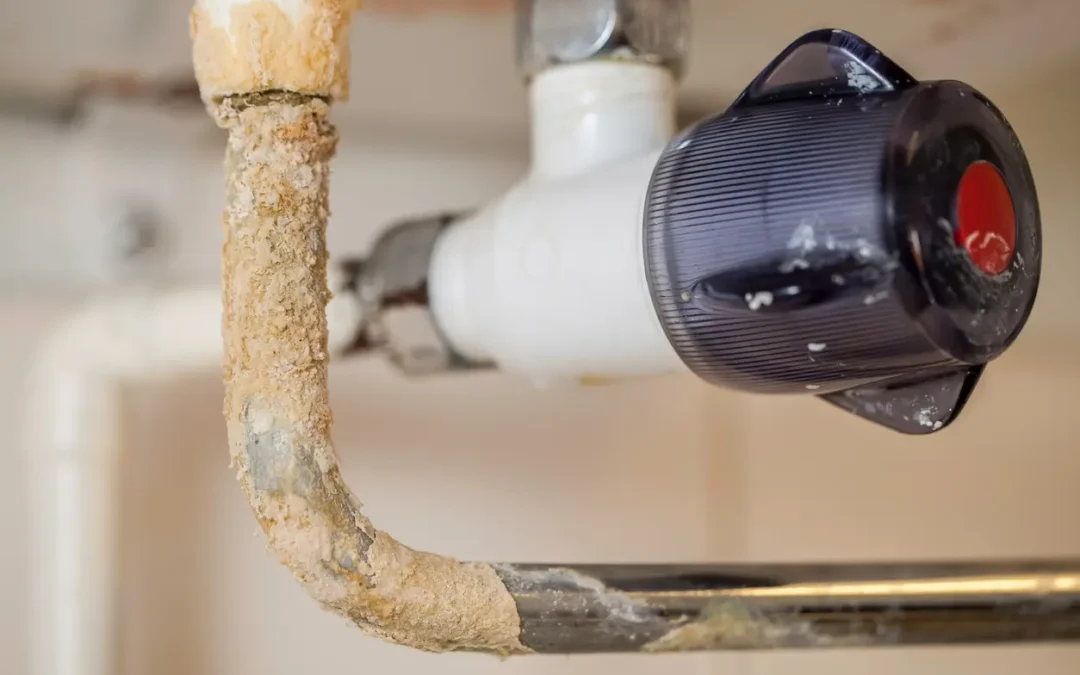
If your faucets have chalky spots or your shower doors are cloudy no matter how much you clean, you’re probably dealing with hard water. It’s a common problem across Texas—and one that can quietly wear down your home’s plumbing. Over time, hard water plumbing damage doesn’t just affect how your water looks or feels. It can clog pipes, shorten appliance lifespans, and increase your utility bills without you realizing it.
Why Hard Water Is a Hidden Threat
Hard water in Texas homes is caused by excess calcium and magnesium in the water supply. Those minerals might be fine for your health, but they’re not so kind to your pipes. Each time water runs through your system, a thin layer of residue sticks inside. It doesn’t seem like much at first, but with every shower, wash load, or dishwasher cycle, that layer builds—and it never goes away on its own.
That buildup, known as scale, is what leads to hard water plumbing damage. Water pressure drops, pipes strain, and appliances like dishwashers and heaters slowly lose efficiency. What seems harmless today can lead to expensive repairs in the years ahead.
Common Signs of Hard Water
Hard water leaves clues long before major problems show up. If you notice any of these, it’s worth paying attention:
- White or gray film on faucets, showerheads, and glassware
- Soap scum that’s hard to rinse away
- Clothes that feel stiff even after washing
- Water pressure that isn’t what it used to be
- Strange noises from your water heater
These signs of hard water may look cosmetic, but they point to real issues inside your plumbing. The same mineral deposits that show up on your sink are forming inside your pipes, slowly narrowing the flow of water.
How Hard Water Damages Pipes and Appliances
Inside your plumbing, minerals from hard water act like grit. They stick to pipe walls, especially in elbows or joints where water moves slower. As deposits build, pipes get narrower and pressure rises. The extra strain makes older plumbing more likely to corrode or even burst.
Hard water damaging pipes also impacts your water heater. When minerals settle at the bottom of the tank, it has to work harder to heat the same amount of water, wasting energy and wearing out faster. Fixtures like faucets and showerheads can clog from scale buildup, reducing flow and forcing frequent replacements.
Protecting Plumbing from Hard Water
Preventing damage starts with knowing the source of the problem. The best long-term fix is installing a water-softening system that removes minerals before they circulate through your plumbing. It’s the most reliable way to protect plumbing from hard water while improving water quality throughout your home.
Regular maintenance helps, too. Flushing your water heater at least once a year prevents sediment buildup, and having your plumbing inspected ensures early detection of mineral deposits. These steps don’t just protect pipes—they also extend the life of major appliances.
Fixing Damage That’s Already There
If the buildup has already taken hold, don’t wait for it to get worse. A licensed plumber can descale pipes, replace corroded fittings, and restore proper water flow. For severe cases, sections of plumbing may need replacement to fully remove the scale.
Appliances like dishwashers or water heaters may also need servicing. Once the source of hard water is treated, your system can operate more efficiently again—saving money on energy and reducing future maintenance costs.
Expert Solutions for Houston Homes
For homeowners across the Houston area, Champion Plumbing Services provides expert solutions for hard water plumbing damage. Our licensed team specializes in identifying the signs of hard water, installing softening systems, and repairing mineral buildup before it causes major failures.
Whether you’re dealing with clogged fixtures, scale in your water heater, or hard water damaging pipes, our team can help. With years of experience serving Houston and nearby communities, Champion Plumbing Services knows exactly how to protect plumbing from hard water in Texas homes. Schedule an inspection today and keep your plumbing—and your home—running strong for years to come.
Hard Water And Plumbing Protection
Hard water can leave mineral buildup on fixtures, reduce appliance efficiency, and create recurring water-quality complaints. Champion Plumbing Services helps Cypress and nearby Northwest Houston homeowners connect hard-water symptoms to practical treatment and filtration options.
For water-quality support, visit Water Treatment Systems. If filtration is the right starting point, review Water Filtration System.
Frequently Asked Questions
What causes hard water in Texas homes?
Hard water is caused by excess calcium and magnesium in the water supply. Those minerals are fine for health but stick inside pipes as water runs through the system.
What are common signs of hard water?
Watch for white or gray film on faucets, showerheads, and glassware, soap scum that is hard to rinse away, clothes that feel stiff after washing, and water pressure that is not what it used to be. Strange noises from the water heater are another clue.
How does scale damage pipes over time?
Minerals from hard water act like grit and stick to pipe walls, especially in elbows or joints where water moves slower. As deposits build, pipes narrow and pressure rises, which makes older plumbing more likely to corrode or burst.
How does hard water affect a water heater?
When minerals settle at the bottom of the tank, the heater has to work harder to heat the same amount of water. That wastes energy and wears the unit out faster.
What is the most effective long-term fix for hard water?
The most effective long-term fix is a water-softening system that removes minerals before they circulate through the plumbing. It is the most reliable way to protect the pipes and improve water quality throughout the home.
What maintenance helps prevent hard water damage?
Flush the water heater at least once a year to prevent sediment buildup. Having the plumbing inspected also catches mineral deposits early and extends the life of major appliances.
What can be done about damage that has already happened?
A plumber can descale pipes, replace corroded fittings, and restore proper water flow, and severe cases may need sections of plumbing replaced to remove the scale. Appliances such as dishwashers or water heaters may also need servicing.