

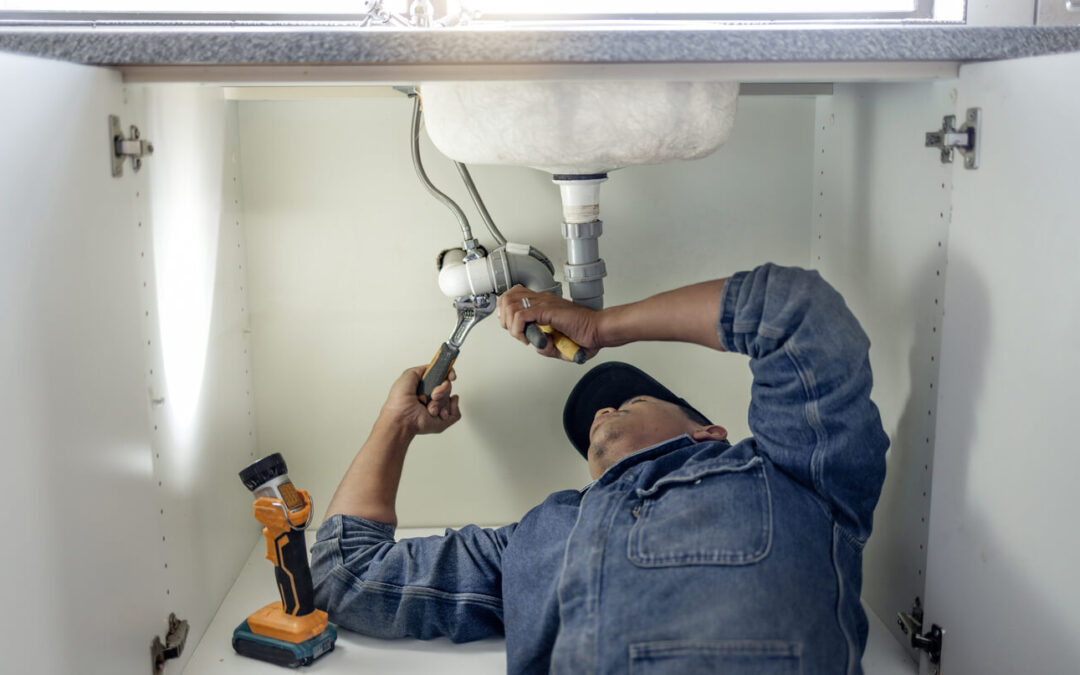
A kitchen remodel moves walls, fixtures, and appliances. The plumbing behind them is much harder to change after the cabinets and counters are back in.
Moving the sink without checking the drain
A sink moved a few feet can need a new drain route and a new vent. Slope and venting decide whether it drains quietly or gurgles and backs up.
Forgetting the vent
Every drain needs air behind it. An island sink, a relocated sink, or a new dishwasher line often needs venting work that is easy to leave out of a cabinet plan.
Undersizing the supply
Dishwashers, pot fillers, and filtered taps all draw from the same supply. Adding fixtures without checking pressure and pipe size leads to weak flow at the sink.
Cheap shutoffs and fittings
The valves behind a cabinet are the parts most likely to fail and the hardest to reach. Good shutoffs and accessible connections cost little during a remodel and save a cabinet tear-out later.
Skipping the rough-in inspection
Plumbing should be inspected after rough-in and before drywall. Once the wall is closed, a slow leak or a missing vent is a demolition problem.
Doing it without a plumber
Design decisions are yours. Gas lines, drain routing, venting, and supply sizing are not a weekend project. Champion Plumbing Services handles kitchen plumbing in Cypress and nearby northwest Houston, and the residential plumbing page covers the rest of the house.
Kitchen Remodel Plumbing Help
A kitchen remodel can expose old shutoff valves, drain routing, disposal problems, and fixture connections that should be handled before cabinets and counters go back in. Champion Plumbing Services helps Cypress and nearby Northwest Houston homeowners plan practical plumbing steps during kitchen projects.
For sink, fixture, disposal, and kitchen line help, visit Kitchen Plumbing. For broader fixture or supply-line work, review Residential Plumbing.
Frequently Asked Questions
What plumbing mistakes happen in a kitchen remodel?
Common mistakes include moving the sink without checking the drain, forgetting the vent, undersizing the supply, choosing weak shutoffs and fittings, skipping the rough-in inspection, and doing the work without a plumber. The plumbing behind the walls is much harder to change after the cabinets and counters are back in.
Why does moving a sink require new plumbing?
A sink moved a few feet can need a new drain route and a new vent. Slope and venting decide whether it drains without gurgling or backs up.
Why does every drain need a vent?
Every drain needs air behind it, and an island sink, a relocated sink, or a new dishwasher line often needs venting work that is easy to leave out of a cabinet plan. Without it, the drain can gurgle or back up.
What happens if supply lines are undersized?
Dishwashers, pot fillers, and filtered taps all draw from the same supply, so adding fixtures without checking pressure and pipe size can lead to weak flow at the sink. The supply has to match the fixtures on the remodel plan.
Why do shutoff and fitting choices matter in a remodel?
The valves behind a cabinet are the parts most likely to fail and the hardest to reach. Good shutoffs and accessible connections add little expense during a remodel and save a cabinet tear-out later.
Is a rough-in inspection worth scheduling?
Plumbing should be inspected after rough-in and before drywall, when the work is still accessible. Once the wall is closed, a slow leak or a missing vent becomes a demolition problem.
Which kitchen plumbing work belongs with a plumber?
Design decisions are the homeowner’s, but gas lines, drain routing, venting, and supply sizing are not a weekend project. A plumber handles that work and plans practical steps during the kitchen project.