

A water line runs underground or through a slab, so most of its problems show up somewhere else first: a bill that jumps, a soft patch in the yard, low pressure at every tap.
Signs the line is losing water
A higher bill with no change in use is the common one. So is a soggy or unusually green patch in the yard, water staining a wall or floor, or pressure that drops when two fixtures run at once. Any of these points to a leak between the meter and the house.
When repair makes sense
If the line is relatively new and the damage is in one section, a targeted repair is usually the cheaper answer. A plumber locates the leak, exposes that section, and replaces the damaged pipe. The rest of the line stays in service.
When replacement is the better call
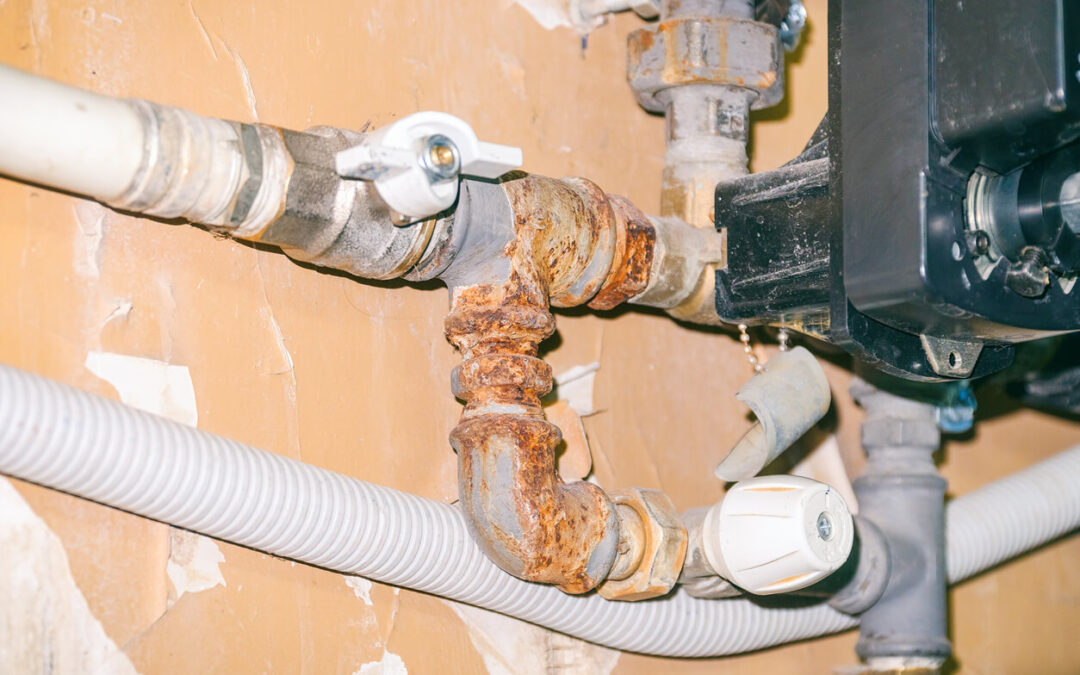
Older galvanized or lead lines, multiple leaks, and widespread corrosion are different. Patching one failure on a line that is already failing usually leads to the next repair within a year. Replacement costs more up front and ends the cycle.
What the repair actually costs
A single repair is less expensive today. Three repairs in eighteen months, plus the water loss and landscaping, often cost more than a replacement. The comparison should use the condition of the whole line rather than a single visible leak.
Get the line inspected
A camera or acoustic inspection shows the material, the extent of the damage, and whether the leak is isolated. That evidence is what separates a repair from a replacement. Champion Plumbing Services evaluates water lines in Cypress and nearby northwest Houston and explains both options before work starts. Details are on the water line repair and replacement page.
Water Line Repair Or Replacement Help
A water line problem may start as low pressure, soggy ground, a rising water bill, or recurring leaks inside the home. Champion Plumbing Services helps Cypress and nearby Northwest Houston homeowners evaluate whether a targeted repair or larger replacement is the safer long-term choice.
For service details, visit Water Line and Water Leak Repair or call Champion Plumbing Services to describe the symptoms you are seeing.
Frequently Asked Questions
What are the signs of a water line leak?
A higher water bill with no change in use is the common sign, along with a soggy or unusually green patch in the yard, water staining a wall or floor, and pressure that drops when two fixtures run at once. Any of these points to a leak between the meter and the house.
When is a targeted water line repair enough?
If the line is relatively new and the damage is in one section, a targeted repair is usually the cheaper answer. A plumber locates the leak, exposes that section, and replaces the damaged pipe while the rest of the line stays in service.
Which situations call for water line replacement?
Older galvanized or lead lines, multiple leaks, and widespread corrosion call for a different decision. Patching one failure on a line that is already failing usually leads to the next repair within a year, while replacement ends that cycle.
Why can repeated water line repairs add up to more than replacement?
A single repair is less expensive today, but three repairs in eighteen months, plus the water loss and landscaping, often add up to more than a replacement. The comparison should use the condition of the whole line and not one visible leak.
How does an inspection help decide between repair and replacement?
A camera or acoustic inspection shows the material, the extent of the damage, and whether the leak is isolated. That evidence is what separates a repair from a replacement.
Why does my water pressure drop when I use two fixtures?
A drop that happens when two fixtures run at once points to a leak between the meter and the house. The line is losing water before it reaches the fixtures, so demand exposes the problem.
Why can a water line leak be hard to notice?
The water line runs underground or through a slab, so most of its problems show up somewhere else first. A bill that jumps, a soft patch in the yard, or low pressure at every tap can all be the first visible clue.