
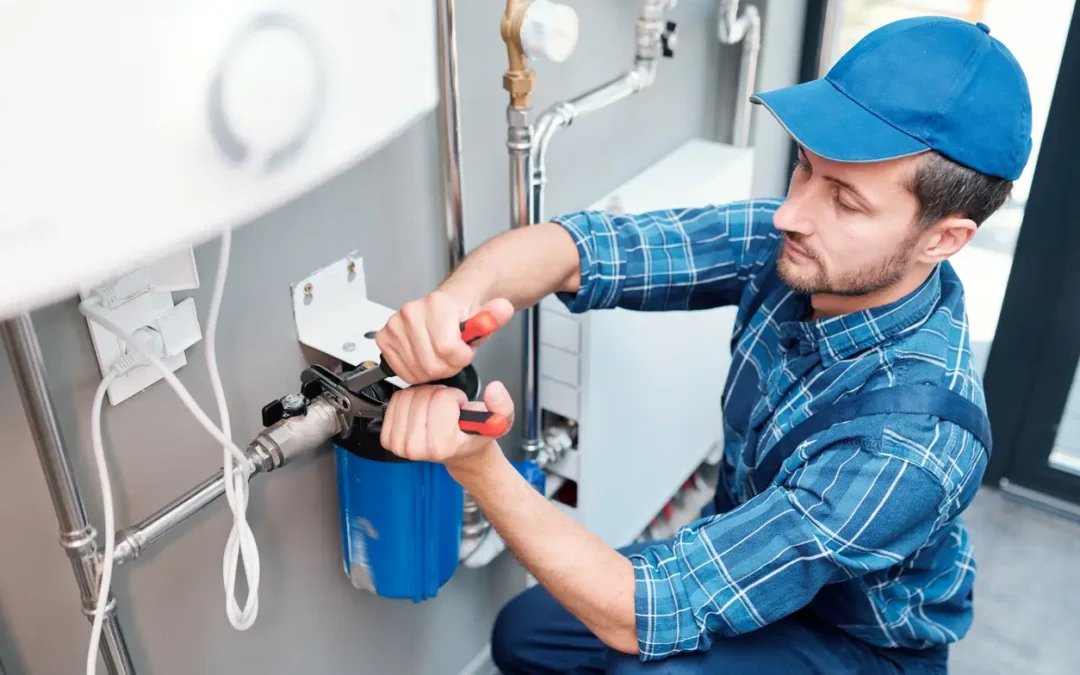
Running water is something people rely on without thinking—until the moment it stops behaving the way it should. One day the pressure drops, or the water looks cloudy, or a small leak appears where it definitely shouldn’t. Behind these everyday conveniences is a network of pipes, valves, and fixtures doing constant work. And like anything that’s always in use, the system eventually needs attention. That’s where water system maintenance becomes essential, even if the need for it isn’t obvious at first glance.
In a busy area like Houston, plumbing systems work under unusual conditions. Extreme heat, sudden cold fronts, shifting soil, constant moisture—each one can affect the lifespan and performance of your pipes. Over months and years, these small stressors add up. Homes and commercial buildings both feel the effects, even when everything seems fine on the surface.
Why Water Systems Can’t Be Left Alone
A water system doesn’t fail overnight. The changes tend to be slow: tiny minerals collect inside pipes, valves stiffen, and seals weaken little by little. Most of this happens quietly behind walls or under floors. Homeowners often assume nothing is wrong because there’s no dramatic warning, but the system is always aging in the background.
Routine water system maintenance reveals early signs of trouble before they turn into leaks, pressure issues, or water quality concerns. By the time symptoms reach the sink or shower, the underlying problem is usually larger than expected. Maintenance flips the mindset—fixing issues early instead of scrambling during emergencies.
Why Preventive Plumbing Maintenance Saves Money (More Than People Realize)
There’s a common belief that plumbing care is something you deal with only when a problem pops up. Ironically, that’s usually the most expensive time to deal with it. A tiny leak behind a wall can run for months before a stain appears. A water heater full of sediment might keep working, but it burns extra energy every day and wears out faster.
What makes preventive plumbing maintenance so cost-effective is simple: small fixes stay small. Replacing a worn connector is cheap; repairing the damage from a burst pipe is not. Catching corrosion early prevents larger sections of pipe from needing replacement later. And a properly maintained system often lowers water waste, which translates into more predictable bills.
What Regular Maintenance Really Accomplishes
The benefits of upkeep aren’t always dramatic, but they’re steady and noticeable over time. With consistent care, the whole system performs better. Water stays clearer. Pressure remains stable. Appliances run more efficiently because they’re not fighting against sediment or inconsistent temperature.
A few long-term benefits include:
- fewer surprise leaks
- a longer lifespan for fixtures and appliances
- improved water quality
- lower utility costs
- reduced risk of sudden, disruptive failures
It’s the kind of improvement that you appreciate most when something doesn’t go wrong.
What Technicians Often Notice During a Routine Checkup
A regular water system checkup near me might sound simple, but it uncovers a surprising amount of information. Technicians can spot corrosion long before it spreads or find a slow drip hidden beneath insulation. They’re trained to notice pressure inconsistencies, valve issues, aging connectors, and buildup that homeowners never see.
These findings may seem small, but they give a clearer picture of how the system is aging. Addressing these issues early helps avoid the sudden, stressful breakdowns that tend to happen at the worst possible times.
How Houston-Area Conditions Affect Water Systems
Houston’s environment adds another layer of complexity. Summers are hot and humid. Winters bring sudden temperature swings. The soil expands during rainy periods and contracts during dry stretches, shifting underground pipes in ways that aren’t always obvious.
Even when everything works perfectly indoors, the area’s climate still influences long-term wear. That’s why regular water system maintenance here must account for local conditions. What works in mild climates doesn’t always hold up in the Houston area.
How Often Should You Schedule Maintenance?
Most systems benefit from an annual inspection, but older buildings or heavily used systems often need visits more frequently. What matters most is establishing a consistent routine. Keeping track of maintenance creates a kind of “health record” for the system, making future decisions easier and reducing the risk of sudden surprises.
Maintenance as a Part of Responsible Property Care
Taking care of plumbing isn’t just about avoiding inconvenience. Water damage can spread quickly, harming walls, flooring, cabinets, insulation—even electrical systems. Leaks that go unnoticed can waste hundreds of gallons of water. A neglected system wastes energy and shortens the lifespan of major appliances.
Regular maintenance helps preserve the value of a property and reduces unnecessary water waste, supporting both homeowners and the community.
How We Help Maintain Long-Term System Health
At Champion Plumbing Services, we focus on practical, long-term solutions built around Houston’s unique needs. Our approach to water system maintenance is thorough and straightforward: inspect carefully, address concerns early, and help customers stay ahead of problems instead of reacting to them. Whether your system is brand new or decades old, our team is here to keep it running efficiently and reliably. If you’re ready to take a proactive approach to protecting your property, reach out to Champion Plumbing Services and let us help you stay one step ahead of unexpected plumbing trouble.