

A broken gas line is a serious issue that can lead to safety hazards and expensive repairs. When it happens, one of the biggest questions homeowners face is who is responsible for the costs. Determining who pays for gas line repairs depends on several factors, including how the damage occurred, where the line is located, and what type of insurance coverage the homeowner has.
Understanding Gas Line Ownership and Responsibility
Gas lines are essential for providing power to appliances like stoves, water heaters, and furnaces. In most cases, the homeowner is responsible for the gas lines running from the meter to their home and throughout their property. This means that if a gas line breaks on your property, you are typically liable for the repair costs.
However, gas lines that run from the street to the meter are usually the utility company’s responsibility. It’s essential to know where the damage occurred to understand who is responsible for fixing it. If a break happens on the utility’s side of the meter, the gas company should handle the repair. If it’s on the homeowner’s side, the cost generally falls on the homeowner.
What Homeowners Insurance Covers for Gas Line Repairs
Homeowners insurance policies vary widely in how they cover gas line repairs. While some policies cover damage from sudden and accidental incidents, others may exclude certain types of damage. For instance, if a gas line is damaged due to natural disasters like storms or floods, your insurance may provide coverage. However, wear-and-tear or lack of maintenance is unlikely to be covered.
It’s crucial to review your policy and speak with your insurance provider to understand what’s covered. Some insurers offer optional endorsements or add-ons that specifically cover gas line repairs and maintenance. Having this additional coverage can save you significant costs in the event of a break.
What Happens if a Contractor Hits a Gas Line?
Contractors are legally required to follow safety protocols when digging near gas lines. Before starting any excavation work, they should contact the appropriate utility marking service to identify underground lines. However, accidents can still happen. If a contractor damages a gas line during a project, the responsibility typically falls on the contractor or their insurance.
Homeowners should ensure that any contractor working on their property is licensed and insured. If a contractor causes damage and is not properly insured, you could end up being held liable for the repairs. Protect yourself by verifying their credentials before any work begins.
Why Gas Line Repairs Should Never Be DIY
Fixing a gas line is not a project that homeowners should attempt themselves. Gas lines carry flammable and potentially dangerous gases, making repairs risky without the proper training and equipment. In Texas, strict regulations govern gas line installations and repairs to ensure safety.
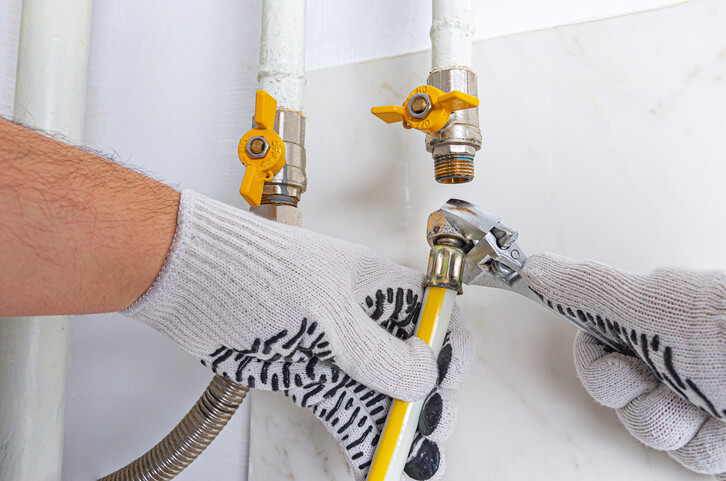
Hiring a licensed plumber to handle gas line repairs ensures the job is done correctly and safely. Professionals understand how to meet local codes, secure permits, and perform inspections to prevent future issues. Attempting a DIY repair could result in more extensive damage and increase the risk of gas leaks or explosions.
Expert Gas Line Repair Services in Houston
When faced with a broken gas line, it’s essential to act quickly and rely on trusted professionals to handle the repair. Champion Plumbing Services has extensive experience repairing gas lines in Houston. Their licensed plumbers ensure that every job meets local codes and safety standards. Contact Champion Plumbing Services to schedule an evaluation.
Frequently Asked Questions
Who is responsible for the gas lines on my property?
In most cases the homeowner is responsible for the gas lines running from the meter to the home and throughout the property. Gas lines that run from the street to the meter are usually the utility company’s responsibility.
What determines who handles a broken gas line?
Where the damage happened, how it occurred, and what coverage the homeowner has all affect who is responsible. The meter is usually the dividing point between the utility’s responsibility and the homeowner’s.
What should a contractor do before digging near gas lines?
Contractors should contact the appropriate utility marking service to identify underground lines before any excavation begins. They are required to follow safety protocols when digging near gas lines.
Who is responsible if a contractor hits a gas line?
If a contractor damages a gas line during a project, the responsibility typically falls on the contractor. Homeowners should verify a contractor’s credentials before work begins so responsibility stays clear.
What appliances do gas lines supply?
Gas lines provide power to appliances such as stoves, water heaters, and furnaces. A break in any of those lines can create a safety hazard and interrupt service.
Why should a gas line repair never be DIY?
Gas lines carry flammable and potentially dangerous gases, so repairs are risky without the proper training and equipment. Texas regulations govern gas line installations and repairs for safety.
Who should repair a broken gas line?
A trained professional should handle the repair, because gas lines carry flammable gases and the work needs the proper training and equipment. Texas regulations also govern gas line installations and repairs, and a professional can meet local codes, secure permits, and arrange inspections to prevent future issues.