

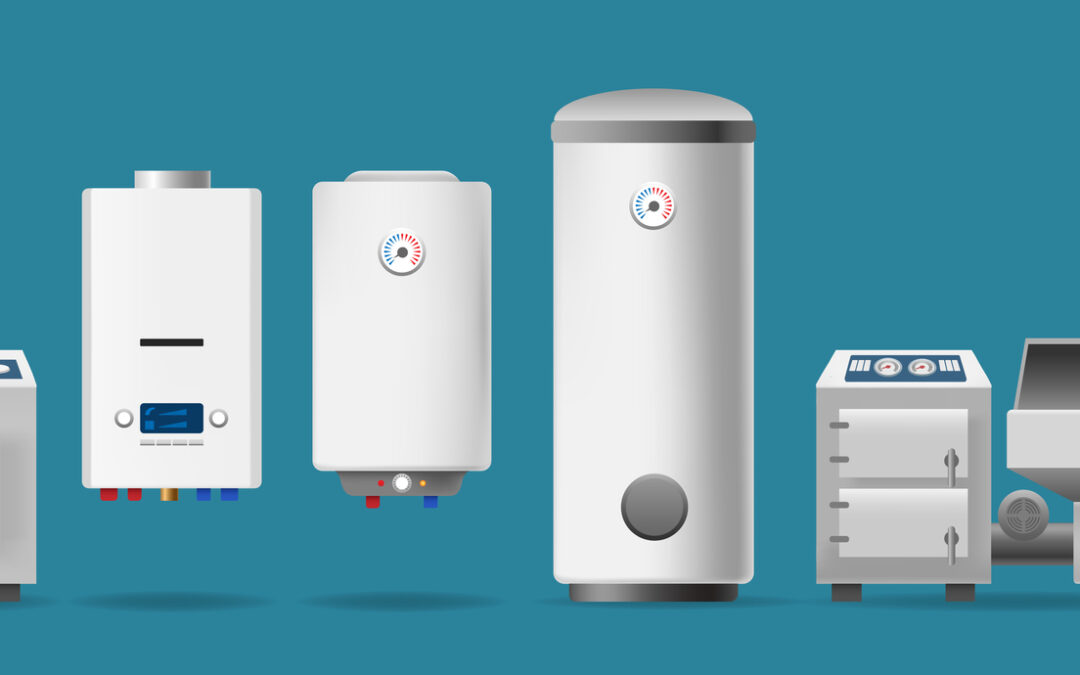
Water heating started as a simple problem: heat water, keep it warm, and move it where it is needed. The devices changed as fuel, materials, and housing changed.
From hot springs to pots on a fire
Roman baths used natural hot springs and heated water in large vessels over fires. The principle was direct: apply heat, then carry the water. Piped water and gas changed what was possible.
The gas geyser
In the 19th century, gas-fired geysers gave homes a more consistent supply than wood or coal. Early models had poor venting, and carbon monoxide incidents were common until venting standards improved.
The storage tank
The early 20th century brought the automatic storage-tank heater: a thermostat, a burner, and a tank that kept water hot between uses. That design is still the basis of most residential units.
Insulation, controls, and efficiency
Improvements since then have been incremental: better tank insulation, more efficient burners and elements, and controls that let homeowners set schedules and watch usage. A modern tank holds heat longer and cycles less than a unit built twenty years ago.
Tankless and the tank today
Tankless units remove the storage tank and heat water on demand. Tanks remain common because they cost less up front and fit existing venting and space. Household demand, fuel, and the installation decide which fits.
Service and selection
Champion Plumbing Services repairs, maintains, and replaces traditional water heaters in Cypress and nearby northwest Houston. The water heater page covers tank and tankless options, and the residential plumbing page covers the wider scope of home plumbing work.
Frequently Asked Questions
How did water heating begin?
Water heating started as a simple problem: heat water, keep it warm, and move it where it is needed. Roman baths used natural hot springs and heated water in large vessels over fires, and piped water and gas later changed what was possible.
What changed with gas-fired geysers?
In the 19th century, gas-fired geysers gave homes a more consistent supply than wood or coal. Early models had poor venting, and carbon monoxide incidents were common until venting standards improved.
When did the automatic storage-tank heater appear?
The early 20th century brought the automatic storage-tank heater, which combined a thermostat, a burner, and a tank that kept water hot between uses. That design is still the basis of most residential units.
How have water heaters improved since then?
Improvements since then have been incremental: better tank insulation, more efficient burners and elements, and controls that let homeowners set schedules and watch usage. A modern tank holds heat longer and cycles less than a unit built twenty years ago.
Why do tanks remain common today?
Tanks remain common because they add less expense up front and fit existing venting and space. For many homes, that makes a tank the simpler replacement choice.
What principle did early water heating follow?
The principle was direct: apply heat, then carry the water. That basic idea stayed the same as fuel, materials, and housing changed.
Which factors decide between a tank and a tankless system?
Household demand, fuel, and the installation decide which fits. A tankless unit removes the storage tank and heats water on demand, while a tank keeps hot water ready between uses.